Case Study
Thanks for taking the time to review this sample of my recent work. Much of what I’ve done is currently under NDA or unreleased, so this deck below includes select examples that reflect the range of my contributions and capabilities that I can share. I’m happy to provide more context in conversation, and I welcome any questions as we move forward. While I’m excited to share these samples, I kindly ask that you treat this portfolio with discretion and let me know when and how it’s being shared. Thank you.
This case study is password protected. Please reach out to me through LinkedIn or my email to read more.
Work
Design System for Vanguard’s Financial Advisor Services
Role
Lead Product Designer
Timeline
2022 – Present
Team
2 designers, 3 developers
Impact
3 product families, marketing, and engineering teams
Tools
Figma, Storybook, & Airtable
Overview
Connecting cross-product experiences through our design system
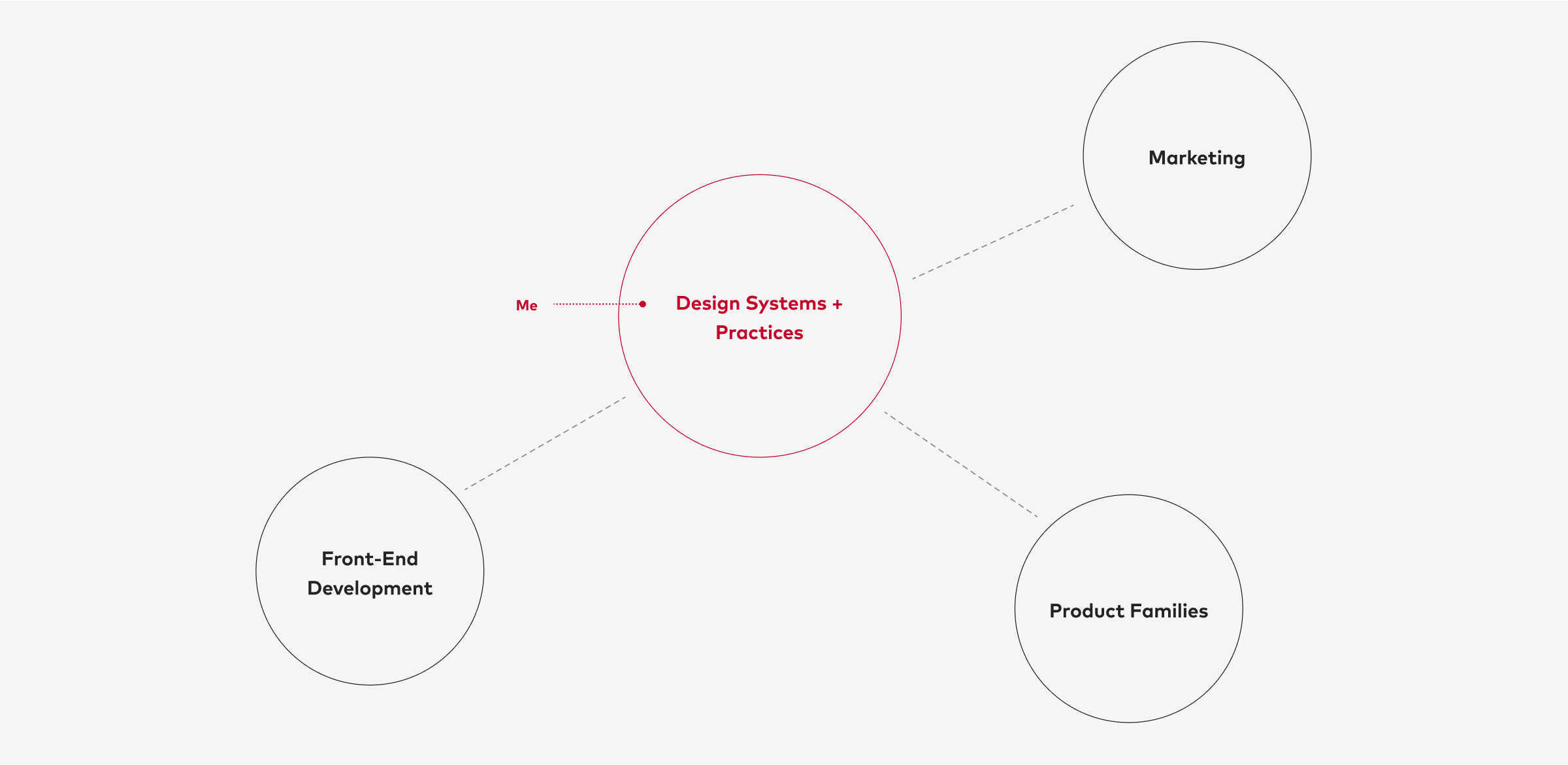
At Vanguard, I’ve led design system efforts within a centralized team supporting three distinct product families, marketing, and engineering teams. Our design system extends from the enterprise system, but is tailored to meet the specific needs of our division, allowing us to support business initiatives with more focus and flexibility. My role bridges strategy and execution — from auditing and evolving the design system, to spearheading new documentation and onboarding processes, to partnering closely with developers 2–3 times a week using tools like Figma and Storybook. These initiatives to improve the design system holistically empowers teams to ship faster and more consistently. Beyond the system itself, I’ve played a key role in coaching junior designers, gathering cross-team feedback, and scaling adoption across the org.
System Structure
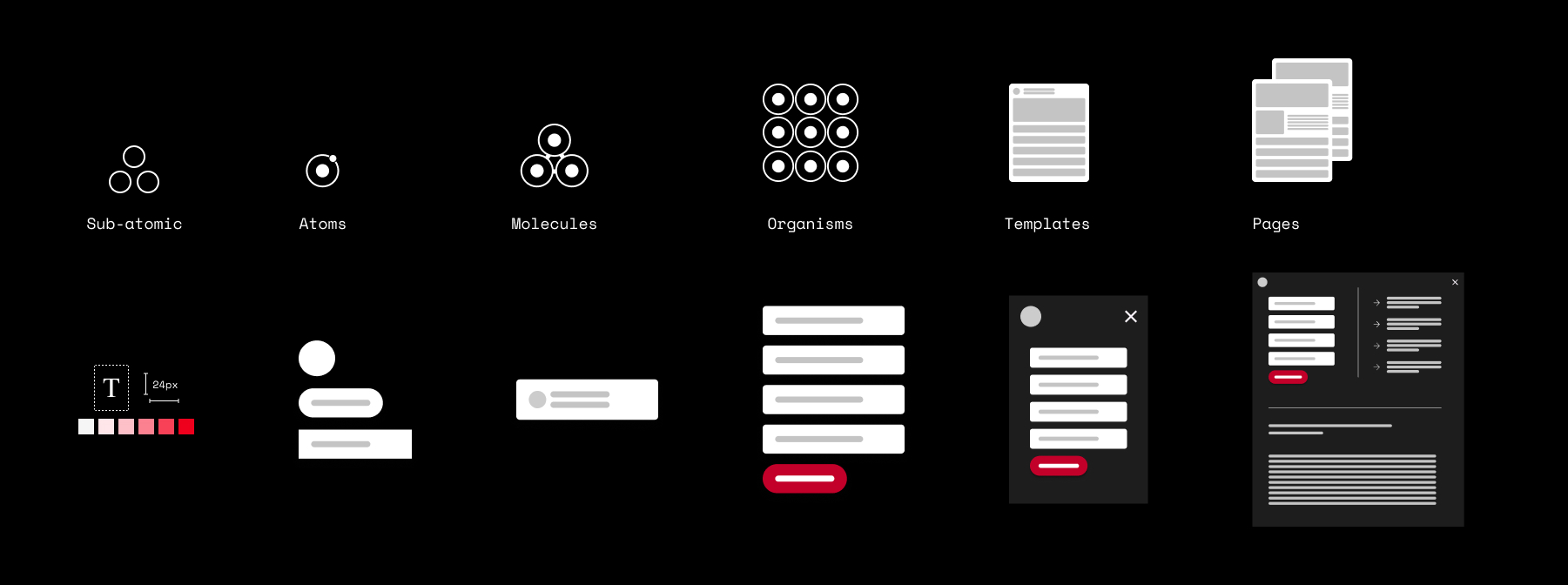
The design system follows the atomic design methodology
The design system I lead is structured using the atomic design methodology, which helps us create scalable, modular components grounded in a clear visual hierarchy. The system breaks down interfaces into atoms, molecules, organisms, templates, and pages to ensure consistency and reusability across products. This approach not only accelerates development but also makes it easier for designers and engineers to collaborate within a shared framework. It’s been especially effective in supporting multiple product families with varying but related UX needs.
System Process
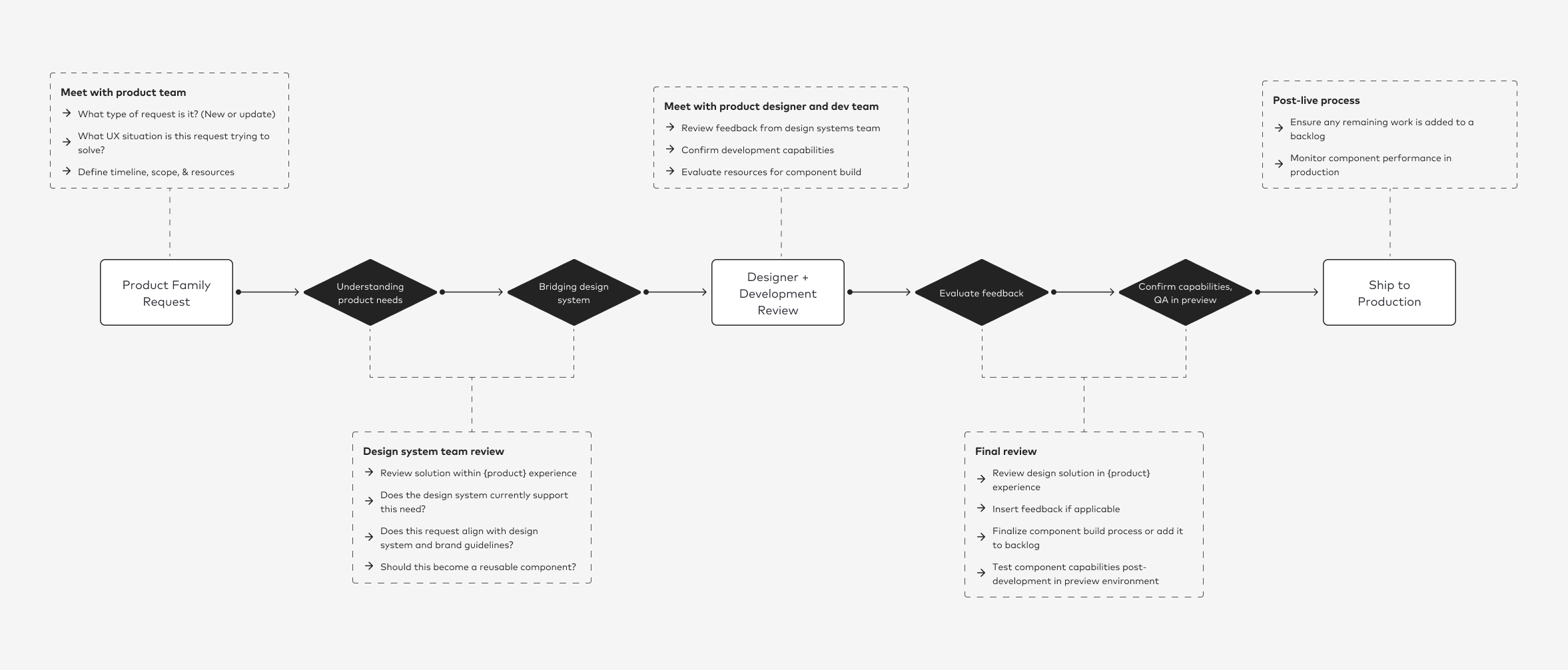
High-level overview of the end-to-end process
Our design system is supported by a collaborative, end-to-end workflow that ensures every component is grounded in real product needs and built with scale in mind. We start by aligning with product teams early to understand context, then evaluate requests through a systems lens to determine reusability, brand alignment, and technical feasibility. Cross-functional checkpoints with engineering and design peers help validate decisions before anything is built. This process not only accelerates delivery but also ensures each addition strengthens the overall integrity and clarity of the system.
Details of system work
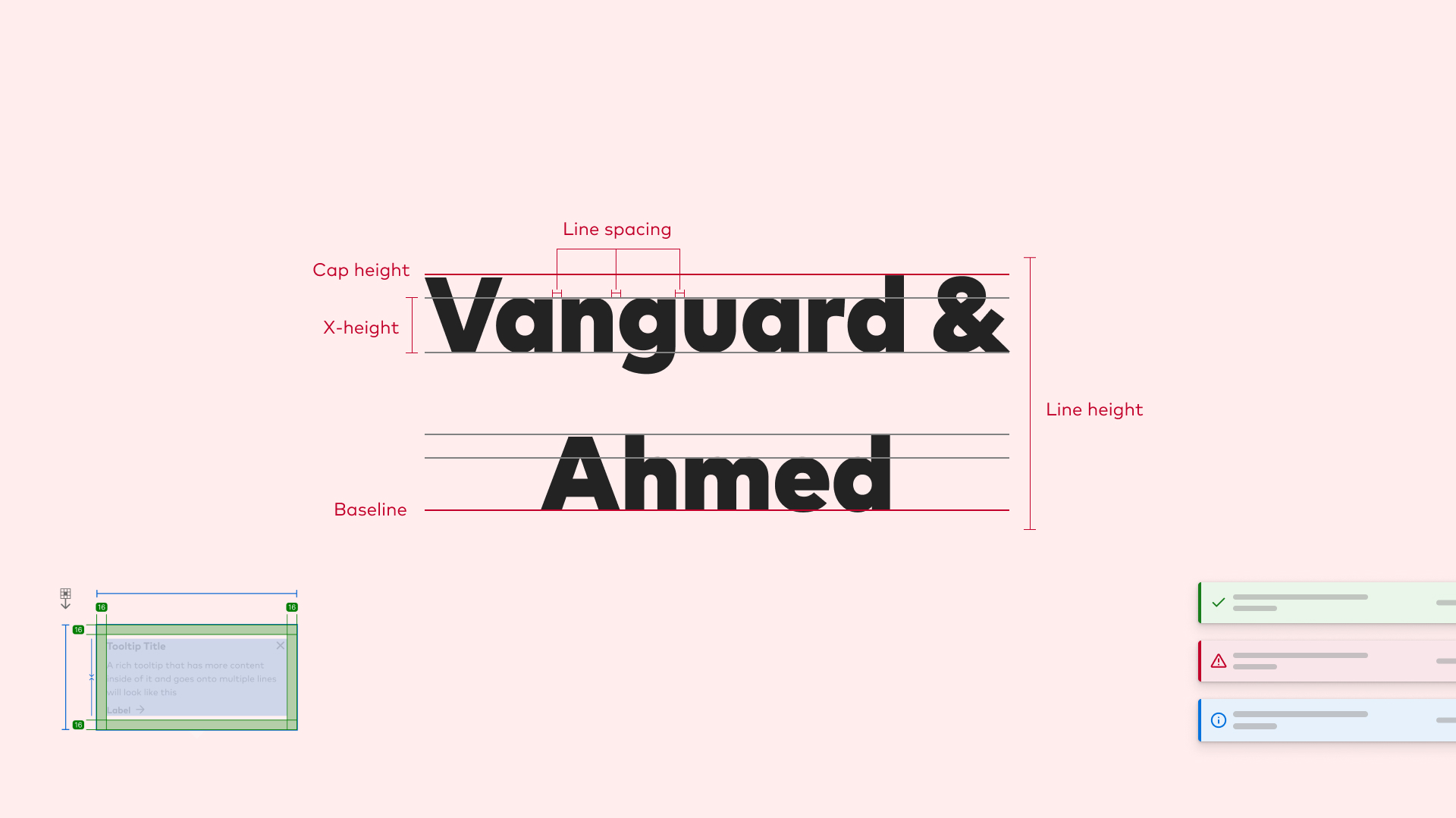
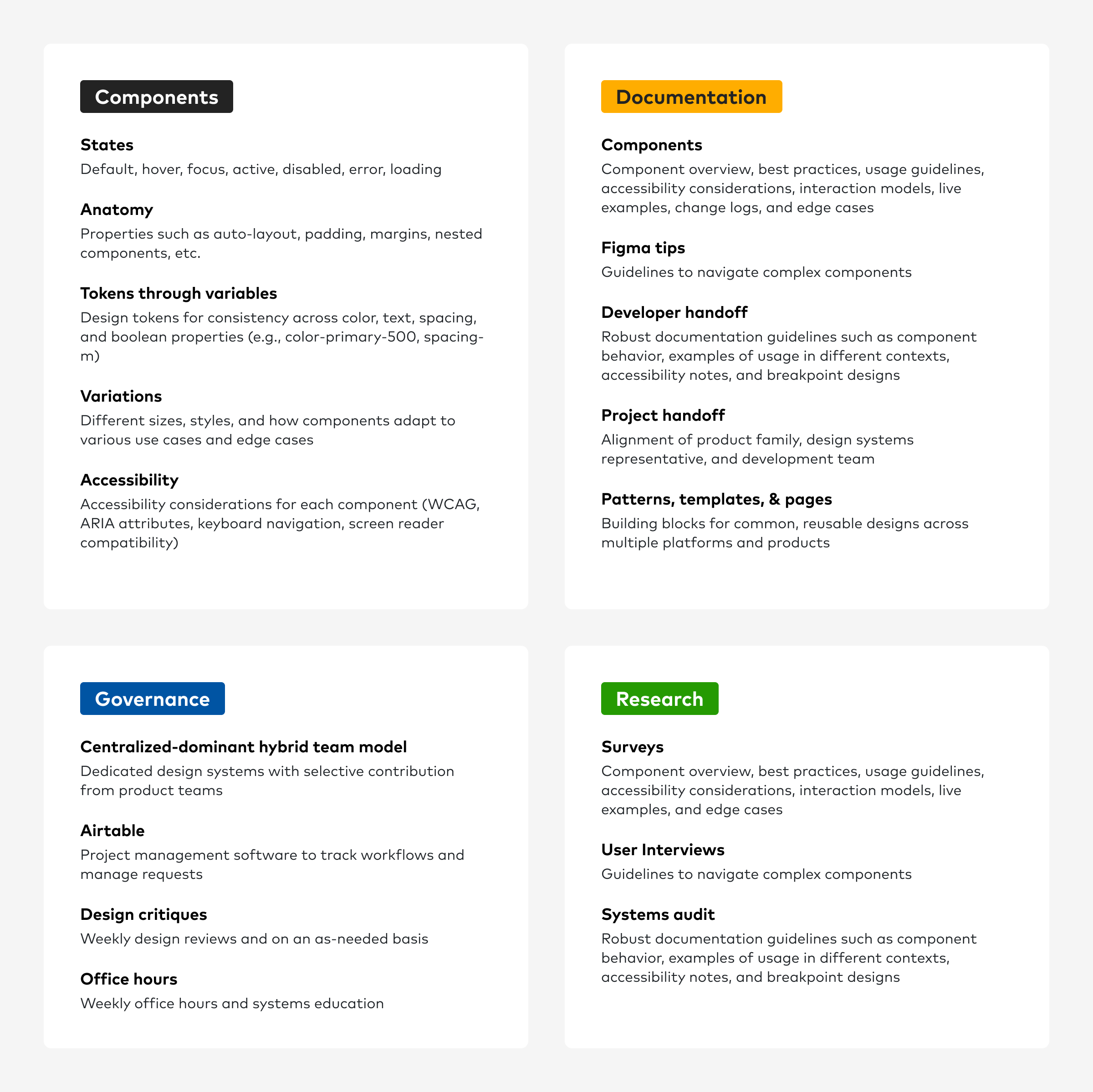
While I can’t share visuals of specific examples and nuances of the design system, below are some topics the system covers:
Contributions
Due to my work being under NDA, I can’t disclose much more, nor share any actual visuals. But my main contributions have been:
Full-cycle evolution of the design system: Most notably through redefining core components, patterns, reusable design templates, project and developer handoff templates, documentation, and cross-functional workflow processes.
End-to-end contribution to product strategy: Impact on cross-product holistic experiences through the marketing website, email, and internal tools.
Leveraging Gen AI in design systems: Working towards creating adaptable and intelligent models that provide instant, contextual answers to design and development inquiries.
Learn More
If you’d like to learn more, please reach out to take a look at my password-protected case study.
Check out more of my work below:
2024 – Present
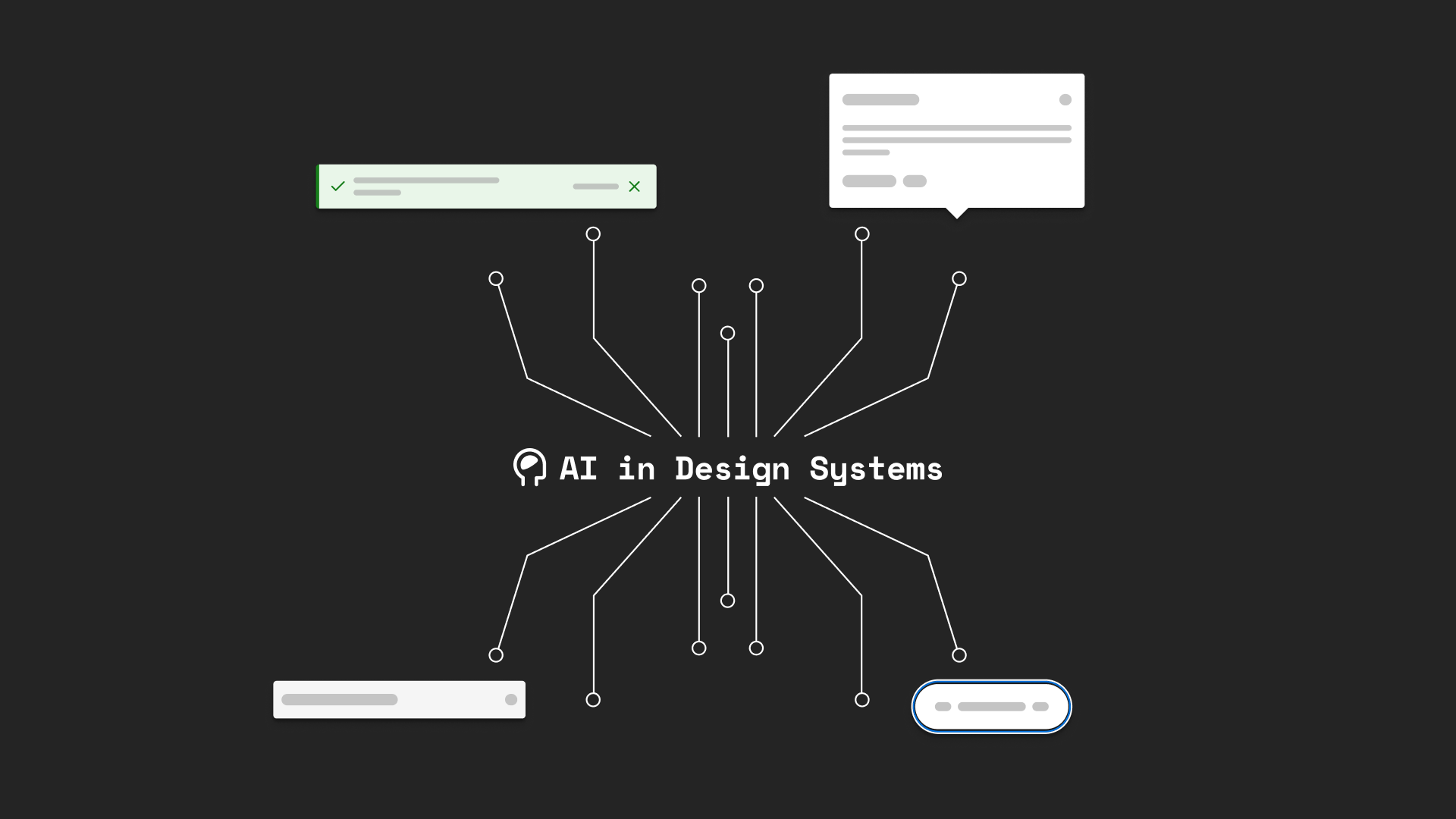
AI in Design Systems
Leveraging emerging AI tools to transform design systems from static libraries into intelligent frameworks.
2020 | Design Challenge
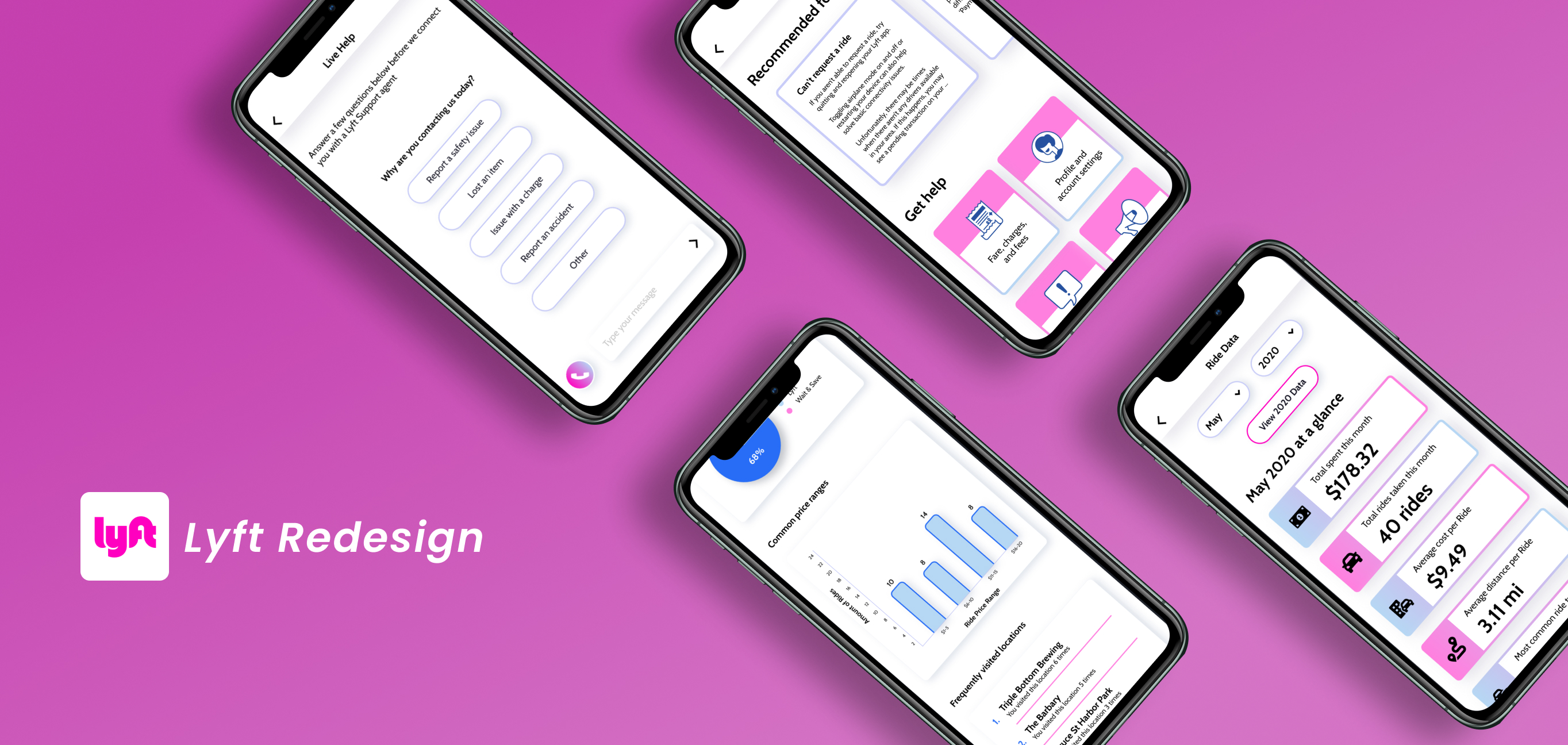
Lyft App Redesigned
Implemented a stronger customer support foundation and ride data usage within the Lyft mobile app with a holistic consideration of users’ experience. Focused on brand personality and content strategy.